

The Quietest Product
By Sai Kambampati
Product
Research
There's a cultural moment happening right now with AI, a backlash that's impossible to miss. People are tired of being sold the same demo, tired of every app sprouting a sparkly icon, tired of being told everything is about to change. This commencement season, graduates at UCF booed a speaker for calling AI "the next industrial revolution." Eric Schmidt got booed at the University of Arizona for telling students they'd help shape it. Building for consumers means reading that culture, not pushing against it. For us, that means building Poppy in a way that's quiet enough, and honest enough, to earn a place on your phone anyway.
We launched Poppy one month ago. From the product to the events we've been hosting, everything has been designed for people who are understandably skeptical about downloading yet another AI app. Our New York launch event reflected this: people came in a little wary, and what shifted them wasn't a slick screen demo. It was being out in the sun, eating and mingling, talking to us, hearing how we actually think about it. The more we meet our community face to face rather than on a screen, the more we understand what Poppy actually is to people: how it shows up in their day, how it gets integrated rather than just downloaded.
While I was in New York, I swung by a friend's happy hour for his startup. When I got there, he mentioned the bar had been picked by Poppy. He just asked it for a rooftop with a sports vibe, and there we were, next to MSG. A few days later, a user was leaving for a meeting when Poppy pinged him: the meeting had moved to Zoom. Without Poppy, he wouldn't have checked his phone until he arrived. Two different cases, one where the user asked for help, one where Poppy stepped forward on its own. What they share: Poppy works when it's rooted in what it actually knows, not what it imagines. We don't need a ton of creativity from Poppy right now. We need accuracy and timeliness. A user has to trust the information they're getting, and has to get it at the right moment.
We heard from a user traveling through Japan who's been texting Poppy the whole way: snapping a photo of eye drops or a station sign and asking what it says, getting un-lost without fighting a maps app in a second language. That's trust earned in a place where being wrong actually costs you something.
Then there's Apple. This week's WWDC was the clearest signal yet that the industry is converging on the same idea: Siri AI, rebuilt from the ground up around personal context, on-screen awareness, and actions across your apps. We see it as validation. When the company that makes the phone redesigns its assistant around the context already on your phone, the thesis holds true.
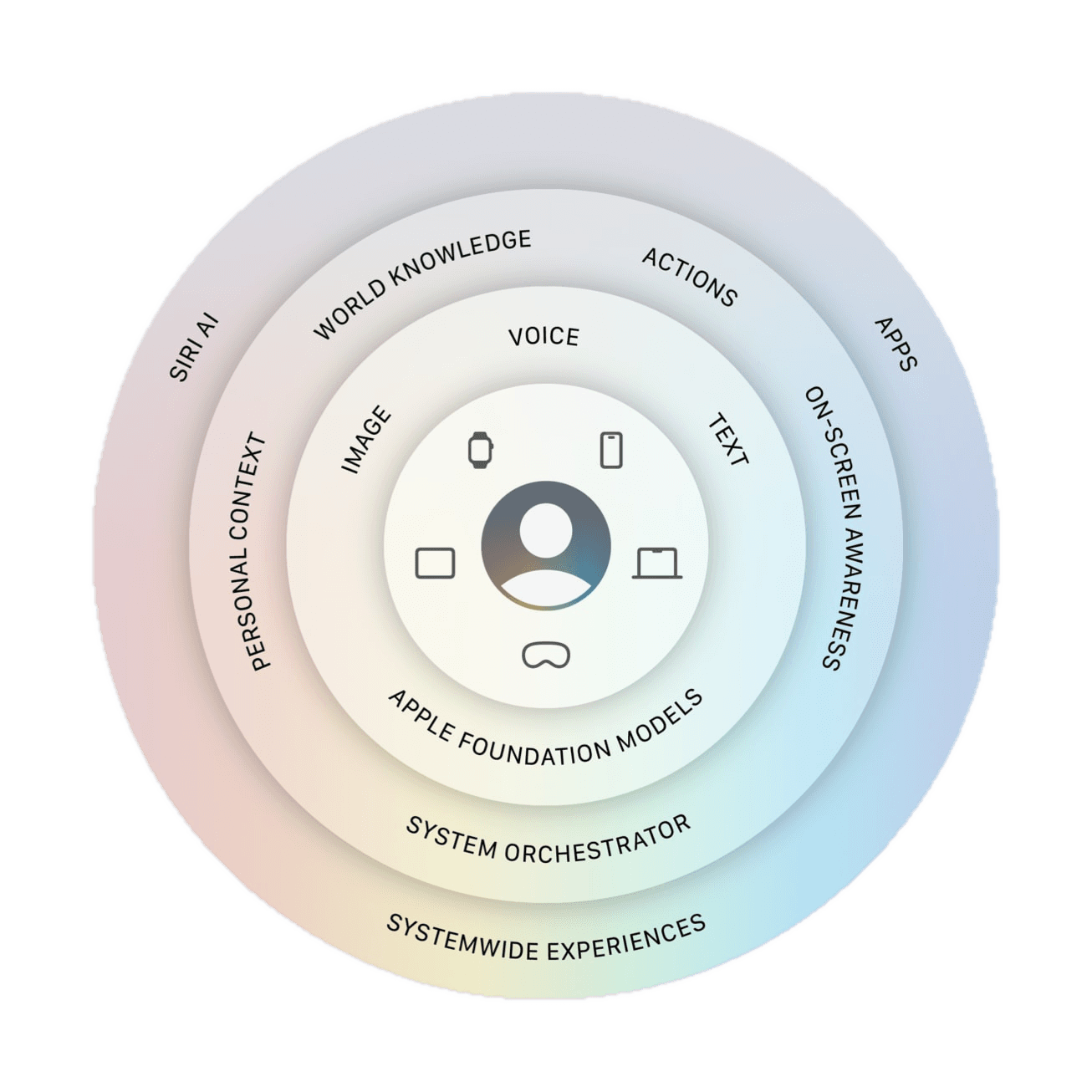
But everything Apple showed still starts with you asking. The harder problem, the one we've spent the last year obsessing over, is knowing when to come to you first. An assistant that answers well is useful. One that taps you on the shoulder at the right moment, with something true, is the one people actually keep.
Our work right now is making sure that proactivity works for every user as consistently as possible. That's why we're focused on daily briefings, easily the most popular thing Poppy does. We want Poppy to do what it does really well, and we want users to get in and out without getting lost in the app. It's the same idea behind everything we build: meet you where you already are, and ask less of you to get there.
The industry is racing to make impressive demos that don't work well for everyday consumers. We think the right product is the quietest one: something that mostly stays out of your way until the moment you need it, and then hands you exactly what you need.
I don't yet know if we're right about any of this, but we're going to find out the right way, by building it.
Less phone.
Stay up to date with us
© 2026 Second Nature Computing, Inc.